

HEAT THERAPY
WHAT IS HEAT THERAPY?
Heat in the blood vessels is caused by an increased activity of energy which causes blood vessels to dilate (vasodilation). Because more space is created in the blood vessels, there is an acceleration of the blood (flow). Thanks to this increased blood flow, the transport of oxygen and nutrients is more efficient, which improves flexibility, agility and mobility of muscles and joints.
how does heat therapy work?
Increase in tissue temperature
Heat increases the temperature of the skin and underlying tissues. As a result, muscles and connective tissue can feel more supple.
Improved blood circulation
Heat causes blood vessels to dilate, allowing local blood flow to increase. This helps supply oxygen and nutrients and remove waste products. In scientific literature, heat is often linked to improved tissue perfusion.
Relaxation of muscles
Heat can reduce muscle tension and provide a sense of relaxation. This is one of the reasons why heat therapy is often used for stiff or tense muscles. European healthcare professionals cite relaxation, safety, and improved blood flow as important reasons for applying heat therapy for musculoskeletal pain.
Increased flexibility and freedom of movement
Heat can support the elasticity of muscles and connective tissue. A systematic review of heat in combination with stretching concluded that heat can have an additional effect on improvements in range of motion, both immediately and after repeated applications.
Biggest benefits
support for stiff muscles
Heat is often applied when muscles feel stiff, tense, or fatigued. Due to the local increase in temperature, muscle tissue can become more supple and tension can decrease. This makes heat particularly interesting for muscle groups that feel “tight” after exertion, prolonged sitting, or repetitive movement.
more mobility & flexibility
It is not advisable to use heat treatments during the acute phase of inflammation or injuries (heat can even have a very detrimental effect) such as sprains, strains, knee injuries, fractures or dislocations.
Heat therapy should never be used on open wounds or in people with circulatory problems (it is strongly recommended to consult a doctor first).
better blood flow
An important effect of heat therapy is the stimulation of local blood circulation. Improved blood flow supports the natural healing process because oxygen and nutrients are supplied to the area more easily. This does not mean that heat resolves every ailment, but it can contribute to a favorable environment for recovery and relaxation.

Main Ingredients
The ingredients we use to make our heat therapy products consist of natural ingredients, each with its own specific characteristics.
See below the key ingredients that contribute to your routine.
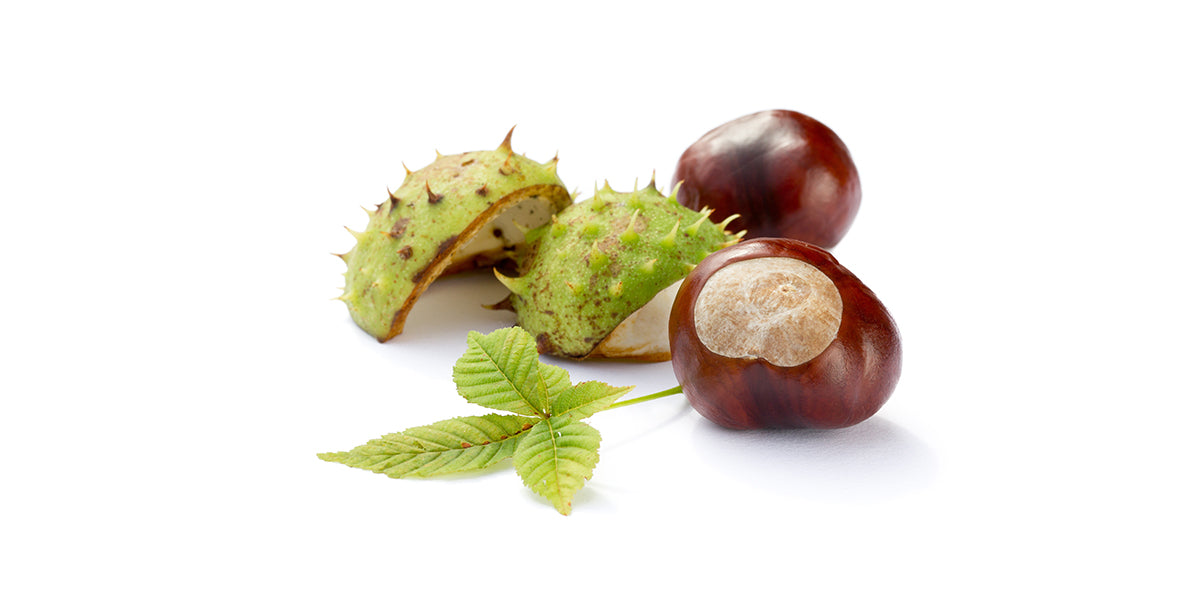
HIPPOCASTANUM
HORSE CHESTNUT
Increases blood flow in veins, improves circulation of oxygen and nutrients, and has powerful anti-inflammatory properties.
Horse chestnut contains aescin, which has been shown to have an anti-inflammatory effect and has been proven to be effective for blood circulation (1).
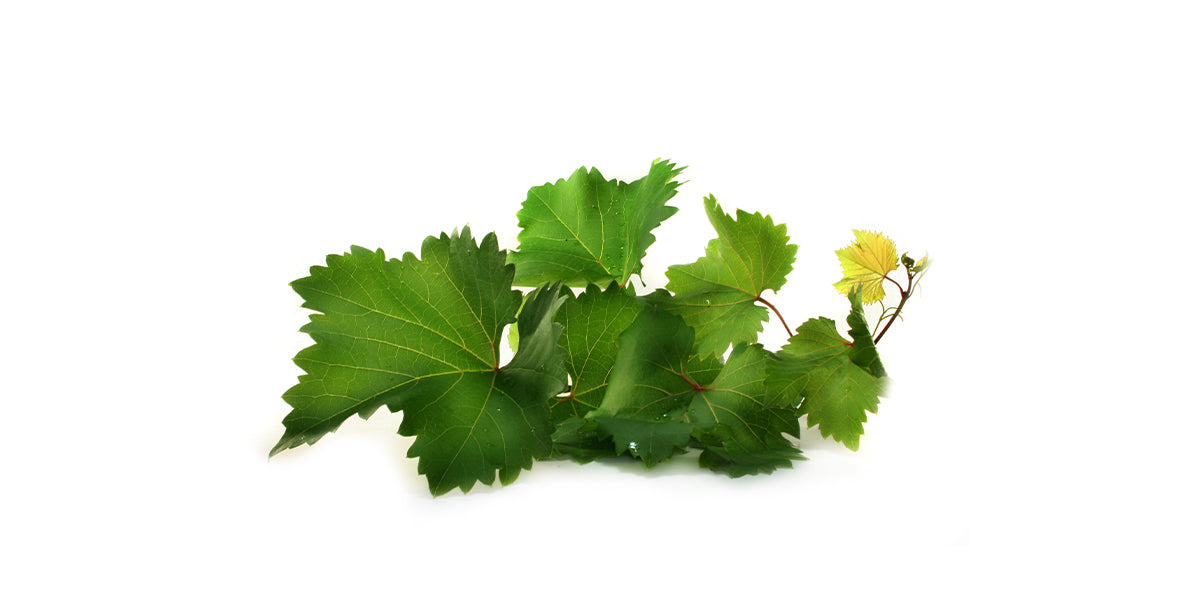
VITIS VINIFERA
WINE LEAF
Provides an improved (local) cardiovascular system and healthy blood circulation in combination with antioxidant activity.
Red vine leaves (AS195) have been proven to have a beneficial therapeutic role (2) in improving blood circulation.

MILLEFOLIUM
YORLOWHED
Yarrow is known as an herb that can support blood circulation. It is often used for a heavy, stiff, or tired feeling in muscles and joints and contains natural substances that can contribute to greater comfort in the body.
Sources
The articles below provide additional depth on the properties of the ingredients discussed, such as cooling, skin feeling and support for muscle and joint comfort.
Dudek-Makuch M, Studzińska-Sroka E. Horse chestnut – efficacy and safety in chronic venous insufficiency
Rev Bras Pharmacogn. 2015;25(5):533-41
>> VIEW SOURCE
Maryam Azhdari Marzie Zilaee Majid Karandish Seyed Ahmad Hosseini Anahita Mansoori Mohadeseh Zendehdel Sara Khodarahpour
> VIEW SOURCE
Evaluation of Antioxidant, Anti-inflammatory and Anti-arthritic Activities of Yarrow (Achillea millefolium)Doha A. Mohamed , Eman A. Hanfy and Karem Fouda
> VIEW SOURCE