

COLD THERAPY
WHAT IS COLD THERAPY?
Cold therapy, also known as cryotherapy, involves applying cold to the body. This can be done through methods such as showering, an ice bath, or cold immersion, but also locally using, for example, a cold pack, cold gel, or ice massage.
Cold therapy is often used for acute strain, swelling, pain, or a warm and tender sensation in muscles and joints. The goal is not to “cure” an ailment immediately, but to temporarily support the body by dampening pain signals, helping to limit swelling, and calming the area.
how does cold therapy work?
lowers skin and tissue temperature
When cold is applied to the skin, the temperature of the skin and underlying tissue drops. As a result, the activity of nerve endings temporarily decreases, which can cause pain to be experienced less intensely.
can dampen painful stimuli
One of the best-known effects of cold therapy is the numbing sensation. Cold temporarily slows the conduction of nerve signals, which can make pain or sensitivity feel less present. This is a major reason why cold is often used for acute pain or after an injury. Research into cold and heat therapy for muscle pain shows that cold applications can reduce pain, although the effects vary depending on the method, timing, and individual.
can help limit swelling
In the event of acute strain or injury, the body may react with heat, redness, and swelling. Cold causes a temporary constriction of blood vessels, potentially limiting fluid accumulation in the area. Therefore, cooling is often applied in the initial phase following a sprain, bruise, or overuse.
can support a feeling of recovery
In sports, cold therapy is regularly used after strenuous exercise. Cold water therapy, in particular, has been linked in studies to reduced muscle soreness and a faster subjective sense of recovery after intense exertion. At the same time, the evidence is not equally strong for every form of cold therapy, and the outcome depends on the application, timing, and type of training.
main benefits
cooling for a warm or irritated feeling
Cold therapy can help when an area feels warm, sensitive, or congested. The cooling effect can quickly provide comfort and reduce the feeling of irritation.
temporary pain relief
Cold can have a numbing effect on the skin and underlying tissues. As a result, pain signals can be temporarily transmitted less strongly.
support for swelling
Swelling can occur during acute strain or injury. Cold therapy can help temporarily reduce blood flow in the area, potentially limiting fluid accumulation.

main Ingredients
The ICE COLD MUSCLE GEL consists mainly of natural ingredients, each with their own specific characteristics.
The combination of these ingredients results in a very effective product that provides a long-lasting cooling effect.
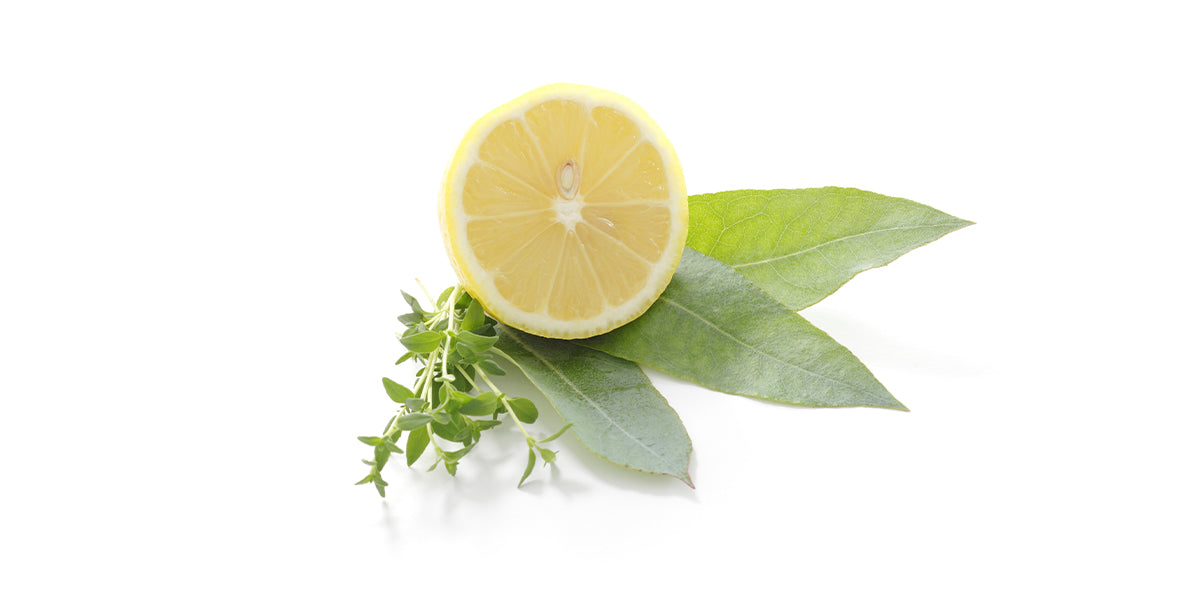
CAMPHORA
CAMPHOR
Camphor is often used for its cooling and soothing sensation on the skin. It can help to temporarily reduce the intensity of a painful, sensitive, or swollen area. Therefore, camphor is frequently applied for muscle and joint discomfort following exertion or external impact.
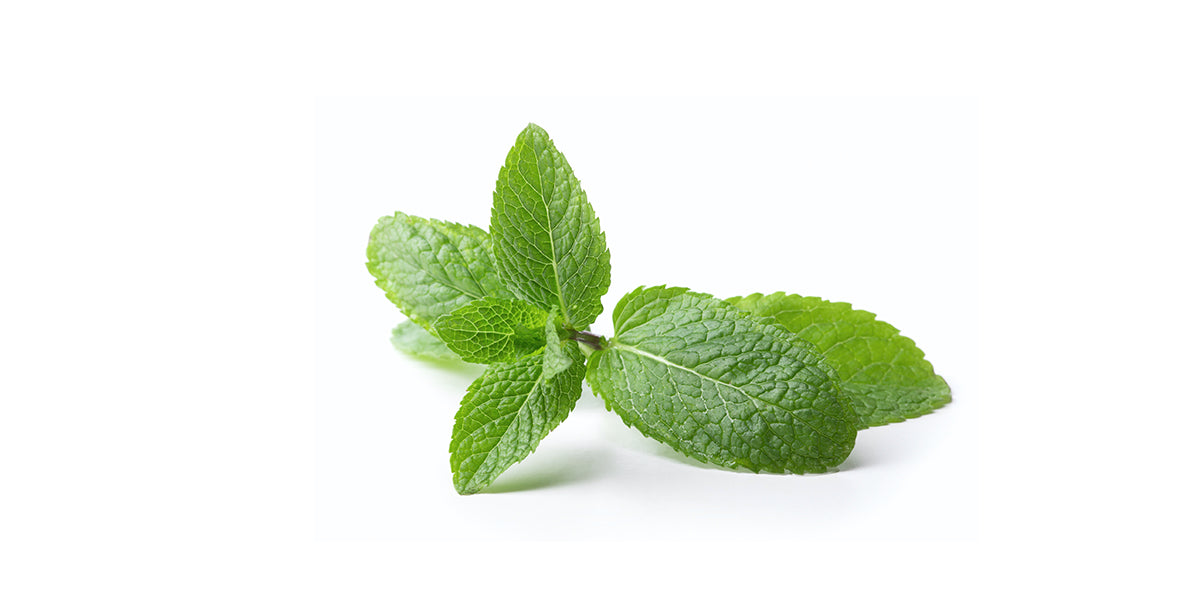
MENTHA ARVENSIS
COIN
L-menthol occurs naturally in mint and is known for its cooling effect on the skin. It provides a fresh feeling and can help temporarily reduce the intensity of sensitivity, heat, or discomfort.
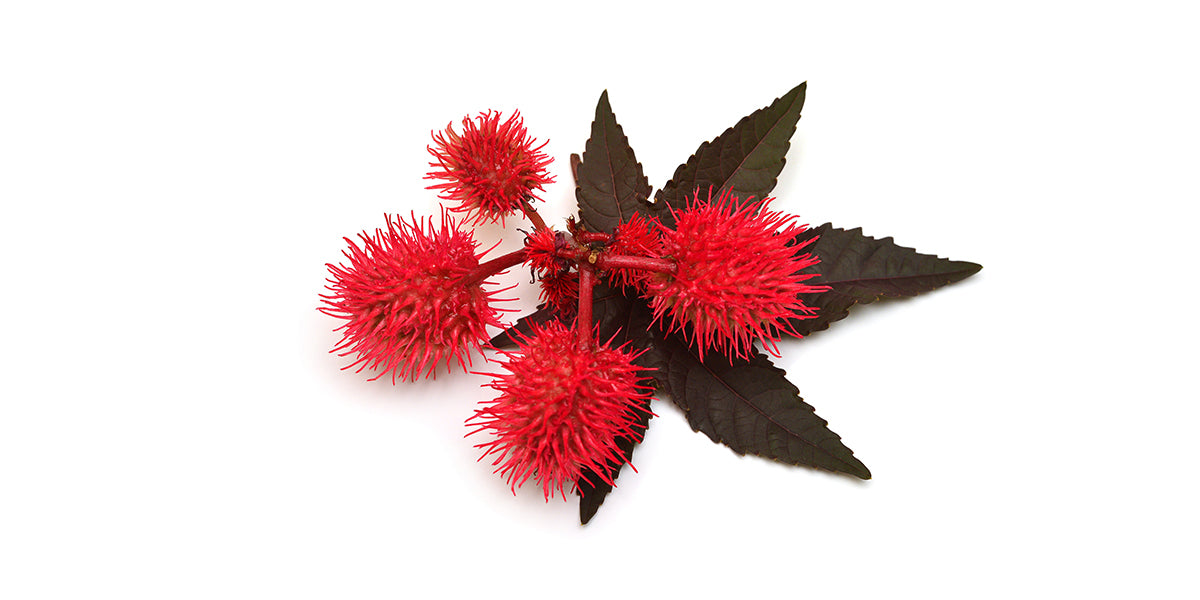
RICINUS COMMUNIS
CASTOR OIL
Castor oil is often used for its nourishing and soothing effect on the skin. It can contribute to greater comfort for sensitive muscles and joints and is associated with natural antioxidant properties.
Sources
The articles below provide additional depth on the properties of the ingredients discussed, such as cooling, skin feeling and support for muscle and joint comfort.
Rafie Hamidpour, Soheila Hamidpour, Mohsen Hamidpour, Mina Shahlari - Camphor, a traditional remedy with the history of treating several diseases
> VIEW SOURCE
Suresh Rao, Manjeshwar Shrinath Baliga - in Polyphenols in Human Health and Disease, 2014
>